
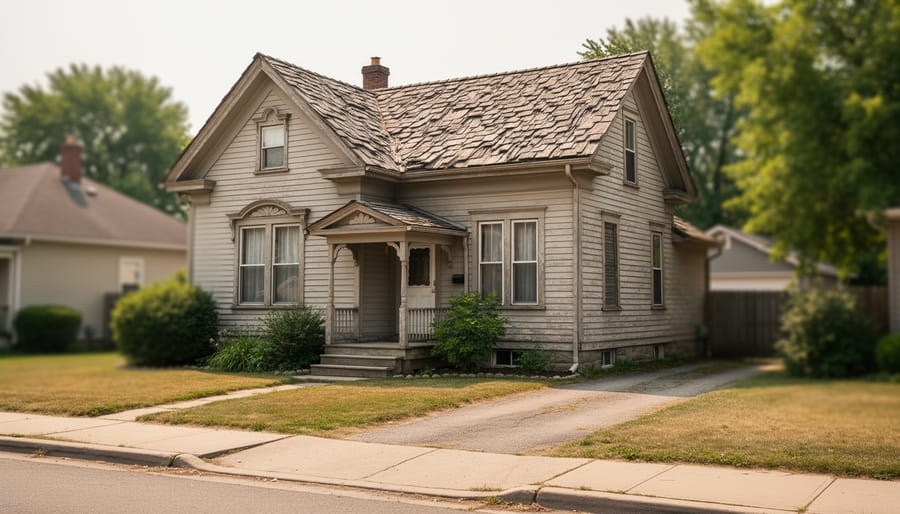
Insuring an old house requires moving faster than you might expect. You’ll need coverage bound and confirmed before your purchase closes, because Canadian mortgage lenders won’t finalize financing without proof that the property is insured and that their interest is noted on the policy. That means gathering documentation, disclosing inspection findings, and securing written confirmation of your coverage details well ahead of any legal or financing deadlines.
Older homes bring charm, character, and a few insurance complications. Heritage features, outdated wiring, aging roofs, and knob-and-tube systems can make underwriters nervous, and a quote is not the same as a bound policy. You’ll need to send your insurer accurate property and occupancy facts, disclose any renovations or business use, and provide the exact lender name and mortgage instructions. Skip a step or wait too long, and you risk delaying your closing or discovering critical coverage gaps after the fact.
Flood insurance is one of those gaps. Most standard homeowners policies don’t cover flood damage, so if your vintage property sits in a low-lying area or near water, you’ll need a separate flood policy to protect both the building and its contents. For property owners thinking about hosting events or offering your unique space for creative projects, understanding what’s covered and what’s not becomes even more important. A film crew, a pop-up dinner, or a weekend workshop can change your risk profile and your coverage needs.
This guide walks you through the pre-closing timeline, the documentation you’ll need, and the coverage decisions that matter most when you’re buying or already own an older home.
Why Old Houses Need Special Insurance Attention
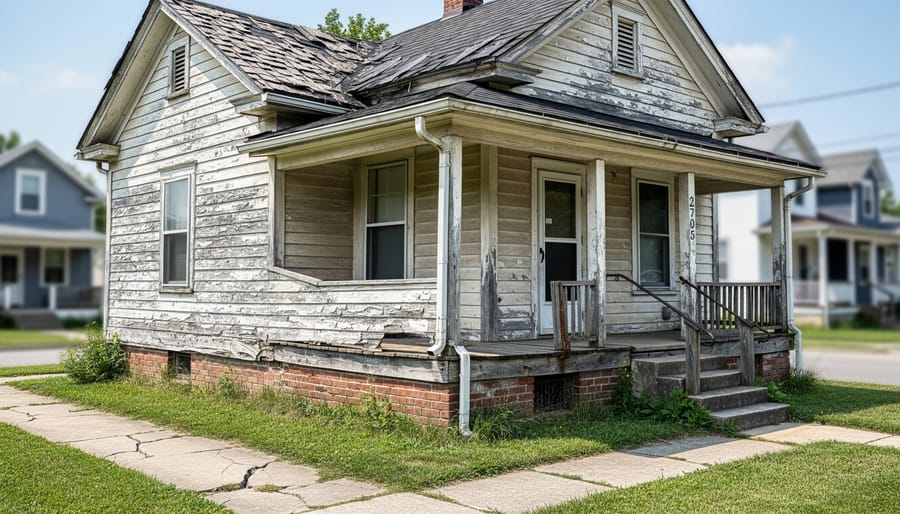
Older properties introduce variables that standard homeowners policies weren’t designed to handle. The electrical wiring, plumbing, and heating systems in a century-old house often predate modern building codes, which makes insurers nervous about fire risk, water damage, and liability exposure. Materials like knob-and-tube wiring, galvanized steel pipes, or outdated oil furnaces can push premiums higher or trigger coverage restrictions, and some insurers won’t quote at all until these systems are replaced or professionally certified as safe.
Heritage materials present another complication. If your property features original plaster, hand-milled woodwork, slate roofing, or decorative tin ceilings, replacement cost becomes difficult to estimate. Standard policies calculate coverage based on rebuilding with modern materials and methods, but matching the craftsmanship and materials of an 1880s home often costs far more than insuring a comparable square footage in a new build. That gap can leave you underinsured if a claim occurs, particularly after a total loss where authentic restoration is necessary or expected by heritage designation rules.
These factors affect both buyers and property owners listing unique spaces. If you’re purchasing an old house, insurers will require accurate property and occupancy facts, inspection findings, details about renovations, and disclosure of any rental or business use before they finalize coverage. If you own a heritage property and plan to list it as an event space, film set, or art loft, those same systems and materials influence your liability exposure and the insurer’s willingness to cover temporary occupancy. Early transparency about the property’s condition and intended use helps avoid coverage surprises later.
Getting Coverage Before You Close the Deal

What Insurers Need to Know About Your Old House
When you approach an insurer for coverage on an older property, transparency matters more than polish. Carriers need a complete, accurate picture before they can assess risk and bind a policy, and missing details or vague answers slow the process down, or worse, result in coverage gaps when you need a claim paid.
Start with the basics: the property’s age, square footage, construction type, and current condition. If you commissioned a home inspection, share the full report. Insurers want to know about the roof’s age and material, the electrical panel’s amperage and whether it still uses fuses or knobs-and-tube wiring, the heating system’s fuel source and condition, and the plumbing, specifically whether original galvanized or lead pipes remain. These systems drive premiums and coverage decisions, so don’t soften the facts or skip over deferred maintenance.
Disclose any renovations or upgrades, even if they’re incomplete. An updated kitchen with new wiring helps your case; a half-finished basement reno raises questions about permits and workmanship. If the property will sit vacant for any period, say so. Vacancy changes the risk profile, and most policies limit unoccupied coverage to 30 days without notification.
Be explicit about how you plan to use the space. If you’re listing it as a film location, hosting pop-up events, or renting out a suite, the insurer needs that upfront. Standard homeowners policies assume owner-occupancy, and undisclosed commercial or rental use can void coverage. Similarly, unusual features, heritage fireplaces, original stained glass, a converted carriage house, deserve mention because they affect replacement cost and specialized coverage needs.
Finally, provide your lender’s exact legal name and any specific mortgage instructions. Your lender requires proof of coverage before funds are released, and the mortgagee clause must match their records precisely or you’ll face delays at closing.
Confirming Your Policy Is Actually in Place
Once your agent or broker says your coverage is arranged, ask for written confirmation immediately. A quote is not always a bound policy, and verbal reassurance isn’t enough when mortgage lenders and lawyers are waiting on documents.
Your written confirmation should state the insurer’s name and contact details, the exact insured address (verify the spelling and unit number match your purchase agreement), and the effective date of coverage. This date must align with your closing so there’s no gap between ownership and protection. The document should list coverage amounts for the dwelling, detached structures, contents, and liability, these figures need to meet your lender’s requirements and reflect the actual replacement cost of your old house.
Check that the deductibles are what you agreed to, particularly for older homes where insurers sometimes impose higher deductibles for claims like water damage or roof leaks. The mortgagee or loss-payee section must show your lender’s exact legal name and address, because your lawyer can’t close without proof of property coverage naming the lender as a registered interest. Look for any conditions the insurer has attached, maybe they require you to update the electrical panel or install a sump pump within ninety days. Finally, confirm the annual or monthly premium and payment method.
If anything’s missing or looks wrong, flag it right away. Your lawyer won’t release funds until the lender receives proper confirmation, and delays can push your closing date or trigger penalties.
Coverage Gaps You Need to Plan For
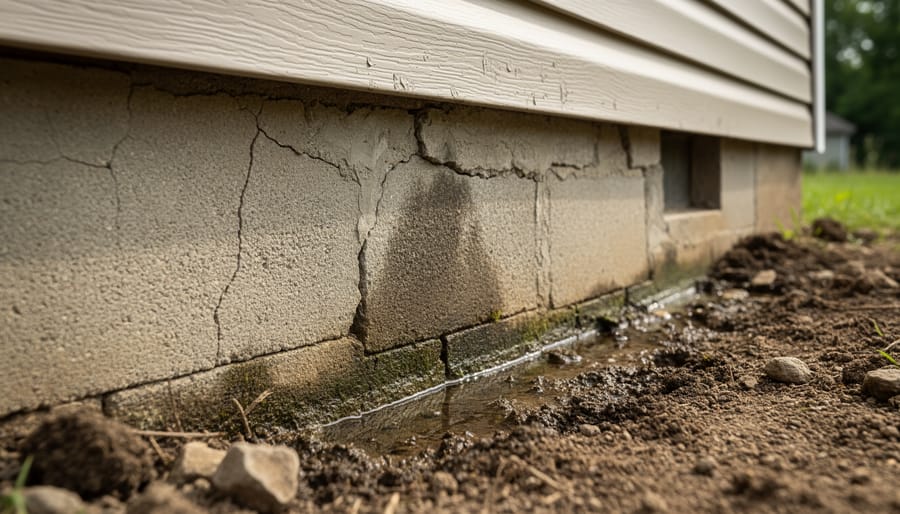
Standard home insurance leaves important gaps, and old houses magnify the risk. Most policies treat flood damage not covered as a basic exclusion, water entering from ground level, heavy rain overwhelming aging drainage systems, or rivers breaching banks won’t trigger a claim under your regular homeowners coverage. If your heritage property sits near water or has a stone foundation prone to seepage, you’re exposed. You’ll need a separate flood policy that covers both the building structure and its contents, which means two premiums, two deductibles, and two sets of paperwork.
Older homes also face coverage limits tied to materials no longer in production. Insurers cap payouts at actual cash value rather than replacement cost if they can’t source original plaster moldings, slate roofing, or leaded windows. That leaves you covering the difference when restoration exceeds policy limits. Sewer backup, common in properties with clay or cast-iron pipes, often requires an endorsement you must request; it’s not automatic. Same with service-line coverage for aging underground utilities.
Earth movement exclusions hit hard when you’re dealing with settling foundations, which many century-old structures experience. Cracks from gradual subsidence, shifting walls, or heaving floors typically aren’t covered unless you add an optional earthquake rider. If you’re listing your old house as an event space, vacancy clauses become critical. Leave the property unoccupied for more than a set period, often thirty consecutive days, and your insurer may void coverage entirely unless you’ve disclosed the arrangement and paid for an endorsement. These aren’t obscure technicalities; they’re standard exclusions that turn expensive problems into out-of-pocket catastrophes if you haven’t planned ahead.
Insuring Old Houses Used as Event Spaces
When you list a historic home for creative uses, private event spaces film shoots, photo studios, party room rentals your standard homeowners policy probably doesn’t cover what happens during those bookings. Insurers treat rental or business use differently than personal occupancy, and failing to disclose it can void your claim when something goes wrong.
Tell your insurer exactly how you plan to use the property before you finalize coverage. If you’re hosting temporary events, filming, or running any kind of short-term rental operation, that changes your risk profile and requires either an endorsement to your existing policy or a separate commercial liability policy. The same applies if you’re converting a carriage house, warehouse loft, or old chapel into a creative workspace or pop-up venue, these aren’t typical residential uses, and your insurer needs that information up front.
Liability is the biggest concern. When guests, crew, or vendors enter your old house, you’re responsible for injuries or property damage that occur on site. Heritage properties bring added risk: uneven floors, steep stairs, exposed brick, old wiring, and period features that aren’t up to current building codes. A standard personal liability limit may not be enough when you’re hosting groups of strangers, and you may need higher limits or additional coverage tailored to event hosting.
Temporary occupancy also affects how your policy responds to claims. If the property sits vacant between bookings, you need to understand how your insurer defines vacancy and what restrictions apply during those gaps. Some policies reduce or suspend coverage after a certain number of days without occupants, which can leave you exposed if you’re listing sporadically or during off-season months.
Common Questions About Old House Insurance
How far ahead should I arrange insurance for an old house purchase?
Start at least two weeks before your closing date to allow time for inspections, documentation requests, and policy confirmation. Lenders require proof of coverage before financing finalizes, and older homes often need more detailed underwriting.
What if renovations on my heritage property aren’t finished yet?
Disclose all incomplete work to your insurer immediately. Partial renovations can affect coverage terms, and some insurers may exclude claims related to unfinished areas or require specific safety measures during construction phases.
Does leaving my old house vacant affect my insurance?
Yes, vacancy substantially increases risk and can void standard coverage after 30 consecutive days. You must notify your insurer if the property will be unoccupied, and you may need specialized vacant home insurance or seasonal occupancy endorsements.
When should I tell my insurer I’m listing my property as an event space?
Before you accept your first booking. Rental or business use changes your risk profile and typically isn’t covered under personal homeowners insurance, you’ll need appropriate liability coverage and possibly commercial endorsements to protect both you and your guests.
Remember that getting a quote isn’t the same as having a bound policy. You need written confirmation showing your insurer, the property address, effective date, coverage details, deductibles, your lender’s name as mortgagee, any conditions, and the premium amount. Don’t assume coverage exists until you have that documentation in hand.
If your old house sits near water or has a history of basement moisture, ask specifically about flood coverage. Most homeowners insurance excludes flood damage entirely, so you’ll need a separate flood policy covering both the building and its contents. For heritage properties with original foundations or aging drainage systems, this becomes even more critical.
Transparency pays off throughout the process. Whether you’re buying a Victorian fixer-upper or listing a century-old loft for photo shoots, share the complete picture with your insurer. Undisclosed rental use, unreported renovations, or missing inspection findings can sink a claim when you need coverage most. The Richmond Rental community thrives on collaboration, and that principle applies to insurance conversations too.
Securing the right insurance for an old house takes work, but it’s not something you figure out after you’ve signed. Start the conversation with insurers early, before you make an offer or list your property, so there’s time to address inspection findings, document renovations, and clarify how the space will be used. If your heritage home will double as an event venue, say so upfront. Insurers need to know about rental activity, vacancy periods, and unusual systems, and transparency now prevents coverage disputes later.
For property owners in our community, the same principle applies when you connect venue listings or troubleshoot a Richmond Rental connection. Collaboration and clear communication make everything run smoother. Get written confirmation of your coverage details, insurer name, effective date, deductibles, mortgagee information, before financing deadlines. A quote isn’t a bound policy, and a lender won’t close without proof. Whether you’re buying a century-old rowhouse or opening your heritage loft to filmmakers, proper preparation protects both your investment and the creative community that relies on these unique spaces.